

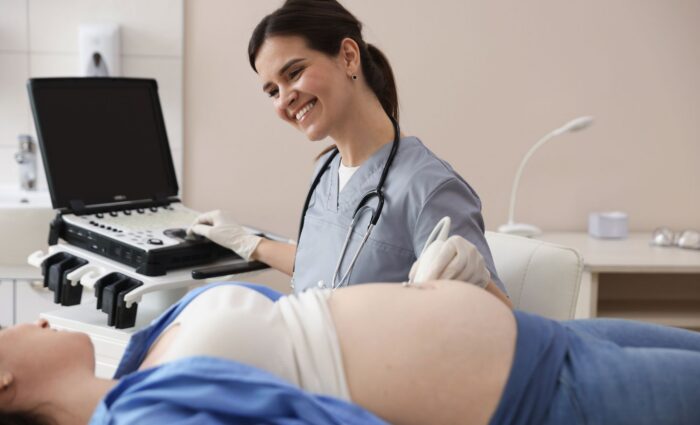

Obstetrics gynaecology jobs cover a wide range of medical roles focused on pregnancy, childbirth, and women’s reproductive health. While job boards list thousands of openings, they often do not explain what each role involves, how qualifications differ, or how candidates can apply strategically. This leaves many applicants unsure whether a position fits their training, career goals, or clinical expertise.
This guide breaks down obstetrics gynaecology jobs clearly and practically. You will learn what roles exist, how pay and responsibilities vary, and what employers look for in a successful applicant. You will also know how to approach the hiring process with confidence. Whether you are seeking a full-time position, academic setting, or consultant obstetrics role, this article is designed to help you make informed decisions.
What Are Obstetrics Gynaecology Jobs?
Obstetrics gynaecology jobs focus on women’s healthcare, including pregnancy, childbirth, and reproductive conditions, across hospitals, universities, outpatient clinics, and specialized care settings. In practice, professionals manage routine and high-risk pregnancies, gynecological conditions, and surgical procedures. Meanwhile, in academic roles, this may involve training residents or contributing to research. Responsibilities and job titles vary widely depending on the employer, job location, and healthcare system, making role clarity essential when applying.
Workforce data suggest a strong long-term demand for obstetrics and gynaecology professionals. Surgical specialties, including obstetrics and gynecology, are projected to experience a shortage of 15,800 to 30,200 physicians. This projected shortfall highlights why employers continue to actively recruit across training, specialty, and consultant-level obstetrics roles.
Qualifications for Obstetrics and Gynaecology Careers
Obstetrics and gynaecology careers require a strong foundation in medical training, clinical competence, and ongoing professional development. Qualifications vary by role and country, but all positions demand proven expertise, formal certification, and a commitment to high standards of patient care.
- Medical Degree: Candidates for obstetrics and gynecology positions typically require a medical degree from an accredited institution.
- Residency Program: Obstetrics and gynecology professionals must complete a residency program in obstetrics and gynecology after medical school.
- Board certification: The board certification in obstetrics and gynecology is often required for practice in this field.
- Communication Skills: Physicians in obstetrics and gynecology should possess strong communication skills to effectively interact with patients and healthcare teams.
- Continuous knowledge: Obstetrics and gynecology professionals are expected to stay updated with the latest medical research and advancements in women’s health.
- Experience: Experience in clinical practice is often preferred for obstetrics and gynecology positions, especially for senior roles.
Common Roles in Obstetrics and Gynaecology
Obstetrics and gynaecology jobs are structured by training level, experience, and scope of responsibility. Understanding these distinctions helps candidates search effectively and avoid applying for roles that are not equivalent to their qualifications.
Entry and Training Roles
Early-career obstetrics roles are designed for doctors completing structured training or gaining post-graduate experience. These positions emphasize supervised clinical exposure and skill development. Before reviewing common entry-level roles, it is important to understand that responsibilities increase gradually, and expectations differ between healthcare systems.
- Foundation or early training roles focus on general obstetrics and gynecology exposure under supervision
- Trust Doctor or equivalent positions provide service-based clinical work without formal training progression
- Clinical Fellow roles allow doctors to gain focused experience in obstetrics, gynecology, or subspecialties such as maternal-fetal medicine
These positions are often time-limited and serve as stepping stones toward registrar or specialty training programs.
Mid-Level and Specialty Roles
Mid-level obstetrics gynaecology jobs require advanced training and greater clinical independence. These roles often involve supervising junior staff and managing complex patient cases. At this level, employers expect strong clinical judgment and the ability to manage patient care with minimal supervision.
- Registrar positions combine clinical duties with structured training and assessments
- Specialty Doctor roles focus on service delivery rather than training progression
- Candidates often manage labor wards, gynecology clinics, and surgical lists
These roles are common in both hospital-based clinical practice and larger healthcare systems.
Senior and Consultant Roles
Senior obstetrics and gynaecology jobs are leadership positions with responsibility for patient outcomes, service development, and team management. Before applying for consultant obstetrics roles, candidates should understand the expectations tied to seniority and accountability.
- Consultant obstetrics positions lead clinical services and complex case management
- Locum consultant roles provide short-term coverage with flexible contracts
- Senior clinicians often participate in research, governance, and training programs
These roles require advanced qualifications, extensive experience, and, in many cases, board-certified status.
Subspecialties Within Obstetrics and Gynaecology
Obstetrics and gynaecology include several subspecialties that allow professionals to focus on specific areas of women’s health. These roles often exist within academic settings or specialized hospital departments.
Before choosing a subspecialty, candidates should consider training requirements, patient populations, and long-term career goals.
- Maternal fetal medicine focuses on high-risk pregnancy and complex prenatal care
- Reproductive medicine addresses fertility, assisted reproduction, and hormonal disorders
- Urogynaecology manages pelvic floor disorders and urinary conditions
- Gynaecological oncology treats cancers of the reproductive system
Subspecialty roles often require additional training, research involvement, and advanced clinical expertise.
Salary and Pay Expectations
Compensation for obstetrics gynaecology jobs varies widely based on job location, experience, contract type, and responsibilities. While job boards list salary ranges, they rarely explain what drives these differences.
Several factors influence pay across obstetrics roles:
- Level of seniority and training
- Type of position (full-time, locum, academic)
- On-call requirements and workload intensity
- Geographic location and healthcare system
In general, consultant obstetrics and senior OB/GYN roles command higher compensation due to clinical risk, leadership responsibilities, and advanced expertise. Academic positions may offer lower base pay but include benefits such as research funding, parental leave, and career advancement opportunities.
Qualifications and Requirements for Obstetrics Gynaecology Jobs
Employers assess qualifications carefully during the hiring process. Requirements differ by country, but most roles demand formal training, certification, and ongoing professional development.
Before reviewing common qualifications, it is important to note that international applicants may face additional licensing or eligibility steps.
- Completion of accredited training programs in obstetrics and gynecology
- Eligibility or certification through relevant professional boards
- Maintenance of clinical knowledge through continuing education
- Compliance with employment and licensing regulations
In the United States, board-certified or board-eligible status is often required. In other regions, equivalent training, recognition, and professional registration are necessary. Employers also evaluate communication skills, teamwork, and alignment with institutional values. Institutional values include respect for gender identity, sexual orientation, national origin, disability, and other characteristic protections.
How to Find Obstetrics Gynaecology Jobs Effectively
Finding the right obstetrics gynaecology job requires more than browsing listings. Successful candidates use targeted search strategies and understand how employers organize roles.
Before starting your search, define your priorities such as clinical focus, academic involvement, and geographic preferences.
- Use multiple search terms, including role titles and subspecialties
- Adjust spelling between obstetrics gynaecology and obstetrics gynecology
- Filter by job location, full-time status, and clinical setting
- Save searches and create alerts for new jobs
Many employers find candidates who understand their department’s needs and demonstrate a clear interest in the position.
How to Apply and Stand Out as a Candidate
The application stage is where many qualified applicants fall short. Employers look beyond credentials and assess how well candidates communicate their experience and potential contributions. Before submitting applications, ensure your materials reflect the role requirements and institutional values.
- Structure your CV around clinical responsibilities and outcomes
- Highlight research, teaching, and leadership experience where relevant
- Address role-specific responsibilities in your cover letter
- Prepare to discuss patient care, teamwork, and professional development
A successful applicant demonstrates both technical expertise and the ability to contribute positively to the healthcare team.
Conclusion
Obstetrics gynaecology jobs offer a wide range of career paths across clinical practice, academic settings, and specialized care. Understanding how roles differ by training level, responsibilities, and healthcare systems helps candidates make smarter career decisions and avoid misaligned applications. By focusing on qualifications, job structure, and strategic searching, professionals can identify positions that match their expertise, long-term goals, and preferred work environment while delivering high-quality care to women and families.
At Rego Park Diagnostic & Treatment Center, we value skilled obstetrics and gynecology professionals who are committed to patient-centered, compassionate care. Our team supports a collaborative clinical environment where expertise, professional growth, and quality care go hand in hand. Contact us to learn more about career opportunities, our services, or how you can contribute to our growing healthcare team.
FAQs
What is the difference between obstetrics and gynaecology roles?
Obstetrics focuses on pregnancy, childbirth, and prenatal care, while gynecology addresses reproductive health outside of pregnancy. Many jobs combine both areas, especially in hospital and clinical practice settings.
Are locum obstetrics gynaecology jobs a good career option?
Locum obstetrics gynaecology jobs can be a strong career option for professionals who value flexibility, higher short-term compensation, and exposure to different clinical environments. These roles allow clinicians to gain broad experience while maintaining control over their schedules and job locations. However, locum positions may offer less job security, limited career progression, and fewer long-term benefits compared to permanent roles.
Can international doctors apply for obstetrics gynaecology jobs?
Yes, many employers accept international applicants, but eligibility depends on licensing, training equivalence, and immigration requirements. Early preparation is essential for a smooth hiring process.
What subspecialties are most in demand?
Maternal fetal medicine, reproductive medicine, and gynecological oncology are frequently sought due to growing patient needs and specialized care requirements.