

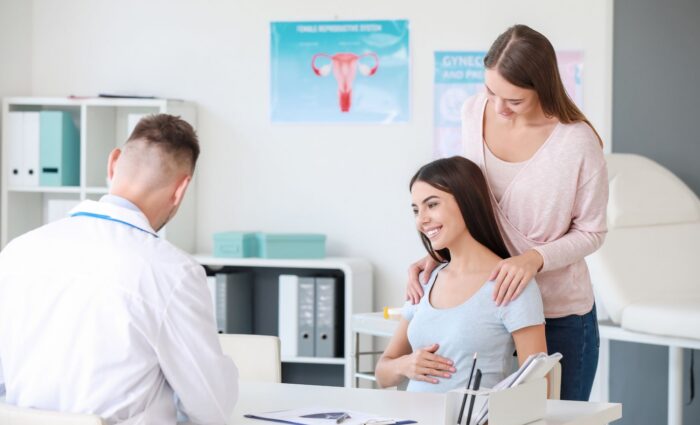

Searching for a gynecologist near me often means you want trusted answers and timely care. You may have new symptoms, need routine care, or want guidance about pregnancy. At Rego Park Diagnostic & Treatment Center, we focus on women’s health and provide comprehensive women’s health services close to home. Our team supports reproductive health, preventive care, and overall health at every stage of life. If you want to find ob gyn care in Queens, this guide explains what to expect and how to choose wisely.
Women deserve personalized care that respects their health history and goals. Our doctors, nurse practitioners, and nurse midwives work together to provide comprehensive care. We offer a full range of ob gyn services in a community setting. You can request an appointment online and choose a convenient time. We accept many plans and can review your health insurance plan before your visit.
What Does a Gynecologist Do?
A gynecologist focuses on reproductive organs and women’s health care. This specialty covers menstrual cycle concerns, sexual health, and preventive screenings. An ob gyn also manages pregnancy care and high-risk pregnancy cases. Some providers complete advanced training in stages, including obstetrics and advanced care. Many are board-certified and deliver specialty care when needed.
Gynecologists treat symptoms related to irregular periods, ovarian cysts, uterine fibroids, and vaginal infections. They also screen for certain cancers, including breast cancer and gynecologic cancers. Preventive care reduces risk factors and helps you stay healthy. With seamless multidisciplinary care, your provider coordinates blood tests, imaging, and referrals. This approach supports comprehensive care across life.
Gynecologist vs. Primary Care Doctor
Primary care doctors manage overall health and chronic conditions like high blood pressure. A gynecologist focuses on women’s health services and reproductive health. Many patients benefit from both for complete support.
When Should You Search for a Gynecologist?
You might search for a gynecologist near me when new or unusual symptoms appear. Common concerns include irregular periods, pelvic pain, and abnormal bleeding. You may also seek advice about birth control or family planning. If you notice discharge changes or pain during intercourse, schedule an appointment. Early evaluation protects your health and prevents complications.
Women also seek ob gyn care during major life transitions. Teens begin annual exams to build healthy habits. Moms-to-be need pregnancy care and prenatal vitamins. Adults may explore fertility services or in vitro fertilization. During menopause, hot flashes and mood changes may require treatment options. Each stage of life deserves attention and education.
Symptom Guide for Timely Care
| Symptom | Possible Cause | When to Schedule |
| Irregular periods | Hormonal imbalance | If lasting two cycles |
| Pelvic pain | Ovarian cysts | If persistent or severe |
| Heavy bleeding | Uterine fibroids | If soaking pads hourly |
| Vaginal discharge | Vaginal infections | If odor or itching occurs |
| Missed period | Pregnancy | If pregnancy suspected |
Gynecology Services Available
When you search for a gynecologist near me, you want access to comprehensive women’s health services. Our clinic provides annual well-woman exams, Pap tests, and breast exams. We also offer STI testing for sexually transmitted infections and routine blood tests. We evaluate pelvic floor disorders, urinary incontinence, and pelvic organ prolapse. Our team provides personalized care for every patient.
We also support pregnancy and fertility planning. Patients can access pregnancy care and counseling about in vitro fertilization. We discuss birth control options and family planning goals. For high-risk cases, we coordinate advanced care with specialists. Our seamless multidisciplinary care ensures patients receive specialty care when necessary.
Preventive Screenings by Age
Teens begin routine care with annual exams and education. Women in their 20s and 30s schedule well-woman exam visits and Pap tests. Women over 40 should add breast exams and screenings for heart disease. After menopause, monitoring continues for bone health and certain cancers.
Women’s Health Checklist
- Annual well-woman exams
- Pap smear as recommended
- HPV testing
- STI screening
- Birth control review
- Breast exams
- Blood tests as needed
What to Expect at Your Appointment
Many patients feel nervous before their first appointment. However, your provider creates a calm and respectful environment. We review your health history and current health status first. Then, we discuss symptoms related to reproductive health or sexual health. After that, the provider explains each step of the exam clearly.
Your visit may include a pelvic exam, Pap test, or breast exam. If needed, we order blood tests or imaging. We also review risk factors such as high blood pressure or family history. Before you leave, we explain treatment options and follow-up steps. You can book your next appointment online for convenience.
How to Prepare for Your Visit
Bring your health insurance plan details and identification. List medications and supplements you take. Track your menstrual cycle and unusual symptoms. Write questions about pregnancy, menopause, or birth control.
Appointment Preparation Checklist
- ID and insurance card
- Medication list
- Symptom notes
- Menstrual cycle dates
- Questions for your doctor
How to Choose the Right Gynecologist in Queens
When you search for a gynecologist near me, look for a board-certified provider. Board certification confirms advanced training and commitment to standards. You should also evaluate communication style and patient stories. Clear explanations and respectful listening build trust. Choose a clinic that offers comprehensive care and accessible health services.
Location and scheduling also matter. Select a clinic that allows online appointment booking. Confirm your health insurance plan coverage before visiting. Ask about specialty care access for high-risk pregnancy or fertility services. Comprehensive women’s health services should support every stage of life.
Preventive Care Supports Long-Term Health
Preventive care protects women from certain cancers and heart disease. Annual exams help detect early signs of breast cancer and gynecologic cancers. Screening also reduces complications from sexually transmitted infections. Education empowers patients to stay healthy through informed choices.
Comprehensive women’s health care includes monitoring risk factors. Providers assess family history, lifestyle, and health history. They discuss treatment options before symptoms worsen. Preventive visits also support mental health and sexual health. Early intervention strengthens overall health and quality of life.
Pelvic Floor and Reproductive Health Concerns
Pelvic floor disorders affect many women but often go untreated. Symptoms may include urinary incontinence or pelvic organ prolapse. Gynecologists evaluate the pelvic floor and recommend treatment. Early therapy prevents progression and improves comfort.
Reproductive health also includes fertility services and pregnancy care. Some patients require in vitro fertilization or advanced fertility evaluation. Others manage ovarian cysts or uterine fibroids. A gynecologist coordinates treatment with specialists when needed. This seamless multidisciplinary care supports safe outcomes.
Pregnancy and High Risk Care
Pregnancy care includes regular monitoring and education for moms-to-be. Providers discuss prenatal vitamins and nutrition early. They monitor blood pressure and screen for high-risk conditions. If complications arise, advanced care ensures safety.
High-risk pregnancy requires coordinated ob gyn care. Risk factors may include high blood pressure or previous complications. Our team collaborates with specialty care centers. Patients receive personalized care and frequent monitoring.
Menopause and Midlife Health
Menopause marks a natural stage in life. However, hot flashes and mood changes affect daily comfort. A gynecologist reviews symptoms and offers treatment options. Hormone therapy or lifestyle adjustments may help.
During menopause, risk factors for heart disease increase. Regular annual exams remain essential. Providers monitor bone density and overall health. Ongoing education supports healthy aging.
Understanding Gynecologic Cancers
Screening helps detect gynecologic cancers early. Pap tests screen for cervical cancer. Breast exams and imaging evaluate breast cancer risk. Awareness of unusual symptoms improves outcomes.
Providers educate patients about risk factors and warning signs. Early detection improves survival rates, according to world report data. Comprehensive women’s health services include cancer prevention strategies. Routine care reduces fear and increases confidence.
Conclusion
Searching for a gynecologist near me reflects a commitment to your health. Women deserve comprehensive care that respects each stage of life. From preventive care to advanced treatment, ob gyn services protect reproductive health. Personalized care builds trust and confidence.
Rego Park Diagnostic & Treatment Center provides comprehensive women’s health services close to home. Our board-certified doctors and nurse practitioners deliver advanced care with compassion. We provide comprehensive care for pregnancy, menopause, and routine visits. Contact us today and take control of your health.
FAQs
Do I need to shave before seeing a gynecologist?
No, you do not need to shave before your appointment. Gynecologists are medical professionals and do not require grooming for an exam. You should come as you are so the provider can accurately assess your health.
How long does a gynecologist appointment usually take?
A routine well-woman exam typically lasts 20 to 30 minutes. New patient visits may take longer because the provider reviews your health history. Additional testing or discussions may extend the visit slightly.
Can I see a gynecologist during my period?
Yes, you can still see a gynecologist while on your period. However, if you are scheduled for a Pap smear, heavy bleeding may affect test results. Call the office if you are unsure whether to reschedule.
What should I do if I feel anxious about my first gynecologist visit?
Feeling nervous is common, especially for first-time patients. Let your provider know about your concerns before the exam begins. Clear communication helps your doctor explain each step and make you more comfortable.