

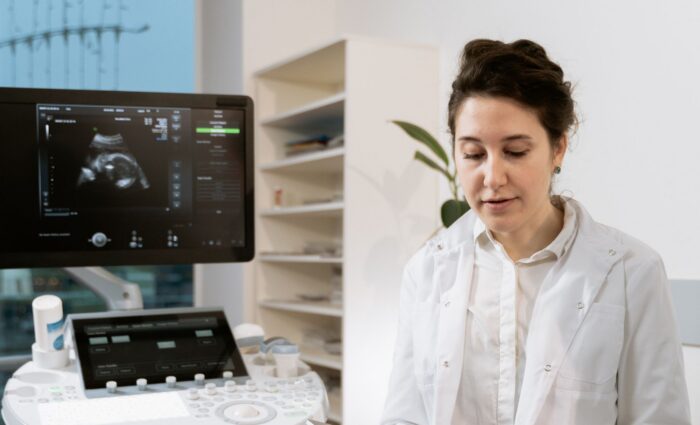

If you’re exploring how to become an OBGYN nurse, you’re considering a career focused on women’s health and patient care. An OB-GYN nurse supports patients through pregnancy, reproductive health concerns, and routine exams. This role requires strong clinical knowledge, attention to detail, and the ability to provide compassionate care during important and often emotional moments in a patient’s life.
In this article, you will learn the steps, education, and real expectations of becoming a practicing nurse in obstetrics. From earning your nursing degree to gaining hands-on experience in women’s health settings, you will understand what it takes to build a career in this field and how to prepare for long-term success.
What Is an OBGYN Nurse?
An OB-GYN nurse is a registered nurse who focuses on women’s health, pregnancy, and reproductive and sexual health. These healthcare professionals work closely with doctors, nurse midwives, and other nurses to provide medical care in different healthcare settings.
They care for pregnant women, assist with prenatal care, and support patients after delivery. OB nurses work in hospitals, doctors’ offices, and birthing centers, with some roles available in specialized women’s health clinics. Their role centers on guiding patients through each stage of the pregnancy journey and beyond.
What Does an OBGYN Nurse Do?
OB nurses handle both clinical tasks and patient education. Their work supports expectant mothers before, during, and after childbirth.
Daily Responsibilities
- Assist with prenatal screenings and pelvic exams
- Support mothers immediately after delivery
- Provide postpartum care and support basic newborn care after delivery
- Review test results and, in specialized clinics, assist with fertility treatments
- Assist in monitoring patients during labor, often working alongside labor and delivery nurses who primarily manage the birthing process
OB nurses also help with birth control counseling and disease prevention. They play a key role in health promotion and long-term reproductive health.
Skills That Matter
Strong nursing skills are essential in this field. OB nurses need excellent interpersonal skills to communicate clearly with patients. They must stay calm under pressure and follow evidence-based practice.
Attention to detail is also important. Nurses monitor changes in patient condition and respond quickly. Infection control and patient safety are always priorities in obstetrics care.
OBGYN Nurse vs. Other Nursing Roles
Understanding how an OB-GYN nurse compares to other nursing roles can help you choose the right career path. While all these roles may work with mothers and newborns, their focus and responsibilities are different.
| Role | Focus | Work Setting |
| OBGYN Nurse | Women’s health, pregnancy, reproductive care | Clinics, hospitals, women’s health centers |
| Labor and Delivery Nurse | Childbirth and the delivery process | Hospitals (labor and delivery units) |
| NICU Nurse | Care for premature or sick newborns | Neonatal intensive care units (NICU) |
An OB-GYN nurse focuses on long-term women’s health, including prenatal care, routine exams, and reproductive health. In contrast, labor and delivery nurses focus mainly on the childbirth process. NICU nurses specialize in caring for newborns who need intensive medical support after birth.
Step-by-Step: How to Become an OBGYN Nurse
Becoming an OB-GYN nurse follows a clear path. You need the right education, license, and clinical experience.
- Earn a high school diploma: This is the first requirement to enter any nursing program. Focus on science subjects to build a strong foundation.
- Complete a nursing degree (ADN or BSN degree): You can choose an associate degree or a bachelor’s degree in nursing. A BSN degree often provides more career opportunities and long-term growth.
- Pass the NCLEX RN exam: This national exam tests your knowledge and readiness to become a registered nurse. Passing it is required to practice legally.
- Obtain your RN license from your state board: After passing the NCLEX RN, you must apply for a nursing license in your state. This allows you to work as a licensed healthcare professional.
- Gain experience in women’s health or obstetrics: Work in hospitals, clinics, or birthing centers to build hands-on experience. Many nurses start in general healthcare before moving into OB-GYN roles.
- Pursue specialty certification if needed: Certifications like RNC OB can strengthen your credentials. They show advanced knowledge in inpatient obstetric nursing and can improve job opportunities.
After completing your education, you must pass the NCLEX RN to become a licensed practicing nurse. Many employers prefer candidates with a bachelor’s degree because it offers broader training. Once licensed, you can begin working and gain experience in OB GYN or related fields.
What Are The Education Requirements for OBGYN Nurses
Your education is the foundation of your nursing career. You can choose between an associate degree and a bachelor’s degree.
| Requirement | Details |
| Entry Education | Associate degree in nursing or BSN degree |
| License | RN license from the state board |
| Exams | NCLEX RN |
| Advanced Options | Master’s degree or advanced degree |
| Certifications | Specialty certification like RNC OB |
An associate degree in nursing takes about two years to complete. A bachelor’s degree usually takes four years and offers more opportunities. Many nurses choose higher education later to become advanced practice registered nurses or nurse practitioners.
How Long Does It Take to Become an OBGYN Nurse?
The process usually takes two to four years, depending on your chosen path. An associate degree takes less time, while a bachelor’s degree provides more long-term benefits.
After graduation, you will need additional time to gain experience in obstetrics. Many new graduates start in general healthcare before moving into specialized roles.
Where Do OBGYN Nurses Work?
OB nurses work in a variety of healthcare settings. Each setting offers different experiences and responsibilities.
They commonly work in hospitals, especially in labor and delivery units. Some work in urgent care clinics or doctors’ offices that focus on women’s health. Others work in birthing centers that provide more personalized care.
In all these settings, OB nurses provide support to patients throughout pregnancy and after delivery. Their work ensures patients receive safe and effective medical care.
Salary and Career Outlook
The average salary for an OB-GYN nurse depends on experience, location, and education. In the United States, many nurses earn between $70,000 and $100,000 annually.
According to labor statistics, nursing remains in high demand across the country. Women’s health services continue to grow, increasing the need for skilled healthcare professionals. Many employers offer competitive benefits and opportunities for advancement.
Is Becoming an OB-GYN Nurse Right for You?
This career can be rewarding, but it also comes with challenges. It is important to understand both sides before committing.
Good Fit If You:
- Want to support patients through pregnancy and reproductive health
- Enjoy hands-on patient care
- Can handle emotional situations
May Not Be Ideal If You:
- Prefer low-pressure environments
- Avoid direct patient interaction
- Struggle with fast-paced clinical work
OB nurses often support patients during life-changing moments. This requires both technical knowledge and emotional strength.
Certifications That Can Help You Advance
After gaining experience, many nurses pursue certification to improve their career options. Certifications show your expertise in obstetrics and nursing practice.
The National Certification Corporation offers several certifications for obstetrics nurses. One of the most recognized is the RNC OB, which focuses on inpatient obstetric nursing.
To earn this credential, you must pass a certification exam. You may also need continuing education and clinical experience. Other certifications include electronic fetal monitoring and neonatal care. Specialty certification can help you qualify for higher-paying roles and leadership positions.
Career Growth Opportunities
OB-GYN nurses have many opportunities for advancement. With additional education, you can move into advanced roles. Some nurses become nurse practitioners who provide more independent care. Others become certified nurse midwives and assist in childbirth. These roles fall under advanced practice registered nurses. You can also pursue a master’s degree to specialize further in women’s health. Some nurses move into education or leadership roles within healthcare settings.
Tips to Get Started Faster
Starting your nursing career can feel overwhelming. These simple steps can help you move forward with confidence.
- Choose a BSN degree if possible for better opportunities
- Apply early for obstetrics clinical rotations
- Gain experience in women’s health settings
- Build strong nursing skills during training
- Look for mentorship from experienced nurses
Many nurses find success by focusing on hands-on experience early. This helps build confidence and improve job opportunities.
Conclusion
With the right education, nursing license, and experience, you can build a strong career in obstetrics. Many nurses find this field rewarding because they support patients during important moments in life. By following a clear path and gaining hands-on experience in women’s health, you can develop the skills needed to provide meaningful care and grow within this field.
At Rego Park Diagnostic & Treatment Center, our team of licensed and registered healthcare professionals is committed to delivering quality care in women’s health and reproductive services. Whether you are beginning your career or exploring opportunities in clinical settings, you can look to our practice as an example of patient-focused, professional care built on experience, compassion, and trust. Contact us today to learn more about our services or connect with our team.
FAQs
Do I need a bachelor’s degree to become an OB-GYN nurse?
You do not need a bachelor’s degree to start, as an associate degree is enough to become a registered nurse. However, many employers prefer a BSN because it offers more career opportunities.
What certifications are available for OB nurses?
OB nurses can pursue certifications such as RNC-OB through the National Certification Corporation. Other options include certifications in electronic fetal monitoring and neonatal care.
Is OB-GYN nursing a good career?
OB-GYN nursing is a good career for those interested in women’s health and patient care. It offers strong job demand, competitive salary, and opportunities for career growth in specialized healthcare settings.
What is the difference between an OB-GYN nurse and a labor and delivery nurse?
An OB-GYN nurse focuses on overall women’s health, including exams, prenatal care, and reproductive health. A labor and delivery nurse specializes in supporting patients during childbirth and the birthing process.