

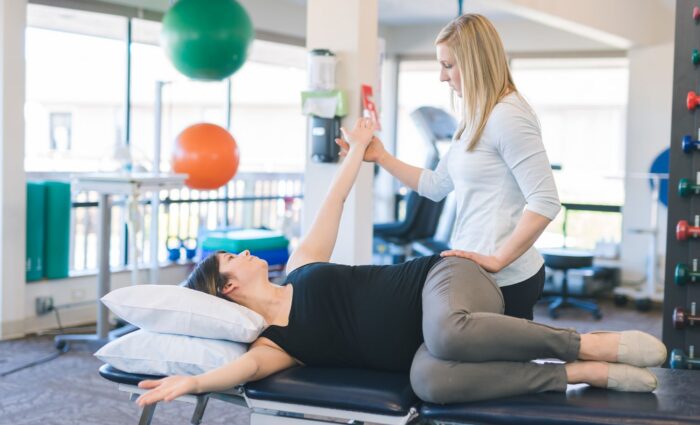

People often ask, ‘How long does physical therapy take to work?’ Most patients start noticing measurable improvements from physical therapy within 2–4 weeks, especially when sessions are consistent and combined with a home exercise program. Research published in the Cochrane Database of Systematic Reviews shows that exercise-based physical therapy can reduce pain by 30–50% in common musculoskeletal conditions like chronic low back pain.
In real-world recovery, early progress often appears as reduced pain and improved mobility within the first few weeks, with more noticeable strength and functional gains developing over time. Some patients feel relief after their first session, but most require several weeks of structured therapy to see consistent, lasting results.
What “Working” Means in Physical Therapy
When people ask how long physical therapy takes to work, they often expect complete recovery right away. In practice, ‘working’ in physical therapy is tracked using measurable milestones: pain reduction (VAS scale), range of motion gains, and functional tests like walking distance or squat depth. For example, a knee rehab patient may progress from limited bending (90°) to full mobility (120°+) over 4–6 weeks.
A licensed physical therapist focuses on helping your body heal properly over time. This means your physical therapy program is designed to improve movement, reduce discomfort, and prevent future injuries. For most patients, success means being able to return to daily activities with less pain and more confidence.
What to Expect During Your First Physical Therapy Session
Your first physical therapy session sets the foundation for your recovery. During this visit, your therapist performs a comprehensive evaluation based on your symptoms, past medical history, and current limitations. This step helps create an individualized treatment plan tailored to your needs.
You may go through light movement tests, common warm-up exercises, and an initial assessment of pain levels. Your therapist will also explain your home exercise program and what to expect in upcoming therapy sessions. Wearing comfortable or loose-fitting clothing can make this process easier.
What Real Patients Experience During Physical Therapy
In real-world recovery, timelines don’t always follow a perfect schedule. Patient-reported experiences show that many people complete 8–12 weeks of supervised therapy after surgery, then continue improving through home exercises and daily activity.
For example, patients recovering from knee replacement often report that basic mobility improves first, while more complex movements like stair climbing and balance take longer to fully return.
Physical Therapy Timeline: Week-by-Week Progress
Understanding how long physical therapy takes becomes easier when you break it into phases. While every case is different, most patients follow a general progression.
First Few Weeks
During the first few weeks, the focus is on pain relief and gentle movement. Your therapist may use manual therapy, light stretching, and controlled exercises. You may notice reduced pain and improved mobility early, especially with minor soft tissue injuries.
Between Weeks 3 and 6
Between weeks 3 and 6, most patients transition from passive treatment (manual therapy) to active strengthening. In rotator cuff rehab, this is typically when resistance bands are introduced, and patients regain 60–70% of baseline strength.
Weeks 6 and Beyond
For more complex conditions, your recovery continues with advanced exercises. This phase focuses on long-term strength, stability, and injury prevention. If you are recovering from post-surgical rehabilitation, this stage may last several months.
Physical Therapy Timeline by Condition
Your recovery speed depends heavily on your injury type. Below is a simplified table showing average healing times.
| Condition | Typical Timeline |
| Minor soft tissue injuries | 2 to 6 weeks |
| Muscle strains | 2 to 4 weeks |
| Chronic pain conditions | 8 to 16 weeks |
| Post-surgical rehabilitation (joint replacement) | 3 to 6 months |
| Neurological disorders | Several months or longer |
Conditions with a rich blood supply, such as muscles, often heal faster. However, areas with limited blood supply, like ligaments or certain soft tissues, may extend recovery time.
Key Factors That Influence How Long Physical Therapy Takes
Many factors influence how long physical therapy takes. These variables affect how your body heals and how quickly you see results.
Injury Severity
Mild issues like muscle strains heal faster than severe tissue damage. More serious injuries require longer recovery and careful monitoring.
Overall Health
Your overall health plays a major role in recovery speed. Younger patients or those with better fitness levels often heal faster. However, anyone can make progress with a structured treatment program.
Consistency With Therapy
Attending every physical therapy appointment and completing your home exercise routine improve outcomes. Missing sessions can slow your physical therapy journey.
Type of Injury
Acute injuries often heal faster than long-term conditions like chronic pain. Bone healing also takes longer due to its unique structure and direct blood supply.
Body Response
Recovery variability is measurable. Research shows that factors like smoking and diabetes can significantly delay tissue healing due to reduced blood flow and oxygen delivery, which can extend recovery timelines.
Signs Physical Therapy Is Working
You may wonder if your physical therapy treatment is actually effective. Several signs indicate progress during your recovery.
- Reduced pain or discomfort
- Improved mobility and flexibility
- Better strength and balance
- Easier movement during daily activities
Most patients begin to notice improvements within a few weeks, even if full recovery takes longer.
When Progress Feels Slow
Recovery plateaus are common, especially between weeks 4–6, when strength rebuilding slows. This is typically due to neuromuscular adaptation and can be addressed by adjusting exercise intensity or volume.
In some cases, factors like muscle atrophy, severe pain, or underlying conditions may slow recovery. Your therapist may adjust your personalized treatment plan to better match your needs. Open communication during each therapy session helps keep your progress on track.
How to Get the Best Physical Therapy Results
While recovery depends on many factors, there are ways to improve your results and avoid delays. Stay consistent with every physical therapy session and follow your home exercise program daily. Even simple movements can make a difference when done regularly. Your therapist may also recommend lifestyle adjustments to support healing.
Listening to your body is equally important. Avoid pushing through severe pain, as this can cause setbacks. Instead, focus on gradual improvement and steady progress.
How Often Should You Attend Physical Therapy?
Session frequency varies based on your condition and goals. In most cases, therapy typically involves two to three sessions per week. Your therapist may adjust this based on your progress and recovery needs.
Some patients may need fewer visits, while others require more frequent care during the early stages. Consistent ongoing sessions help maintain progress and prevent setbacks.
When Does Physical Therapy End?
Physical therapy usually ends when you reach your functional goals. This may include reduced pain, improved movement, and the ability to perform daily activities without difficulty.
Your therapist may transition you to a maintenance routine with independent exercises. This helps you continue improving even after formal sessions end.
Common Misconceptions About Physical Therapy
Many people believe physical therapy should work immediately. However, the healing process takes time, and results build gradually.
Another misconception is that more pain means faster progress. In reality, controlled and guided movement leads to better outcomes. Your therapist focuses on helping your body heal safely and effectively.
The Importance of a Personalized Treatment Plan
No two patients have the same recovery timeline. That is why every physical therapy program should follow an individualized treatment plan. Your therapist considers your medical history, current condition, and recovery goals.
This personalized approach improves results and helps your body heal properly. It also reduces the risk of reinjury and supports long-term health.
What Most Patients Get Wrong About Recovery
One common mistake is expecting fast results without consistent effort. Physical therapy requires active participation. Skipping exercises or missing sessions can slow progress.
Another issue is stopping therapy too early. Even if you feel better, your body may still need strengthening. Completing your full treatment plan helps prevent future injuries.
Conclusion
So, how long does physical therapy take to work? The answer varies, but most patients begin to notice improvements within a few weeks. Full recovery depends on your condition, consistency, and how your body responds to treatment. Your physical therapy journey is not just about time. It is about steady progress, guided care, and long-term improvement. With the right support and commitment, you can achieve lasting results and return to your normal activities with confidence.
If you are ready to start your recovery, the team at Rego Park Diagnostic & Treatment Center is here to help. Our licensed physical therapists create personalized treatment plans based on your condition, goals, and medical history. We focus on helping you move better, reduce pain, and recover safely at your own pace. Schedule your physical therapy appointment today and take the first step toward feeling better.
FAQs
How long does physical therapy take to work?
Most patients notice improvements within just a few weeks, while full recovery may take several months, depending on the condition.
Can physical therapy work in one week?
You may feel early relief in the first week, especially with acute injuries. However, long-term results require ongoing sessions and consistency.
Why does physical therapy take so long?
Recovery depends on injury severity, overall health, and consistency. Conditions with limited blood supply or severe tissue damage often take longer.
Does physical therapy hurt before it gets better?
Some discomfort is normal, especially when starting new exercises. However, your therapist adjusts your plan to keep pain manageable and safe.

