

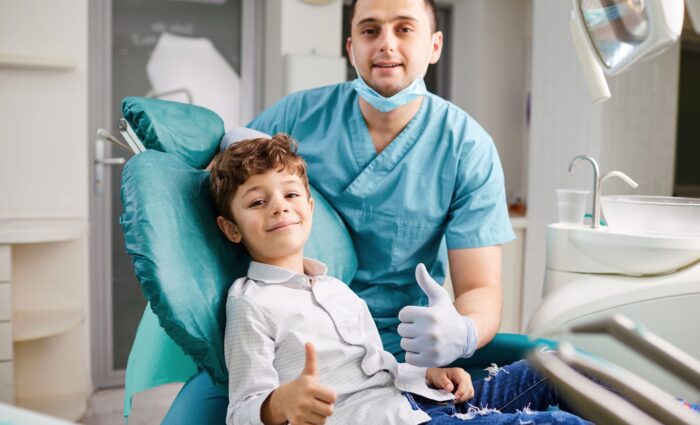

As a parent, one of the most important steps in ensuring your baby’s overall health is starting dental care early. The American Academy of Pediatric Dentistry recommends scheduling your baby’s first dental visit by their first birthday, or as soon as the first tooth appears. This visit is more than just a check-up. It’s an opportunity to detect potential oral health issues early and lay the groundwork for a lifetime of healthy smiles.
In this article, we’ll explain when should a baby start seeing a dentist, why early dental visits are crucial, what parents can expect during that first appointment, and how these early experiences with a pediatric dentist can set your child up for a future free of dental anxiety and problems.
Why Early Dental Visits Matter
Many parents believe that dental care isn’t necessary until all of a child’s teeth have emerged. However, baby teeth play a crucial role in speech development, chewing, and guiding the permanent teeth as they grow in.
Starting dental visits early can help identify potential issues, such as tooth decay, that can begin as soon as the first tooth appears. For instance, a 3-year-old boy with special health care needs presented with severe tooth decay. His condition, compounded by developmental delays and muscle tone issues, required treatment under general anesthesia. This case illustrates how early dental care can help detect and address problems before they require complex, extensive treatments.
Benefits of Early Dental Visits
Starting dental visits early sets the stage for a lifetime of healthy smiles. It not only helps detect potential problems early but also encourages the development of positive oral care habits. Here are some key benefits of scheduling your baby’s first dental visit:
- Detect Early Issues: Early visits help identify problems like baby bottle tooth decay or gum disease, which, if left untreated, can lead to discomfort and long-term complications.
- Prevent Tooth Decay: Decay can start as soon as a tooth emerges. Regular checkups ensure any issues are addressed promptly, preventing long-term damage.
- Establish Healthy Habits: Beginning dental visits early encourages good oral hygiene practices, setting the foundation for a lifetime of healthy smiles and helping to avoid future dental problems.
- Reduce Anxiety: Children who visit the dentist by their first birthday tend to experience less fear and anxiety during future visits. Early exposure helps them develop positive associations with dental care, making subsequent appointments smoother and less stressful.
At our clinic, we’ve observed that children who had their first visit by age one are significantly less likely to experience anxiety about dental visits. This early introduction helps them feel comfortable with dental care, setting them up for a lifetime of healthier, less stressful visits.
What to Expect During Your Baby’s First Dental Visit
The first dental visit is a wonderful opportunity to start your baby on the path to healthy oral habits. It’s a gentle and reassuring experience designed to get your little one comfortable with dental care.
- Gentle Check-Up: The dentist will assess your baby’s gums, soft palate, and any emerging teeth.
- Comfortable Setting: Your baby will likely sit on your lap during the exam to feel safe and comfortable.
- First Tooth Tips: Learn how to start brushing when the first tooth appears and how to use fluoride safely.
- Preventing Tooth Decay: Get advice on how to avoid baby bottle tooth decay.
- Healthy Habits: Receive guidance on establishing good oral health habits early on.
- No Tears Approach: We use a gentle introduction to dental tools, letting your baby explore in a stress-free environment, reducing anxiety.
How to Care for Baby’s Mouth Before the First Visit
Before your baby’s first dental appointment, you can start caring for their oral health even if they don’t have teeth yet. Good oral health habits begin early. Gently wipe your baby’s gums with a damp cloth after feedings to remove bacteria that could lead to gum disease or future tooth decay.
According to the Head Start program, this early gum care is important to maintain oral health before teeth appear. This simple step can help maintain your baby’s oral health and prepare your baby’s mouth for their first teeth.
Once your baby’s first tooth appears, you can start using a soft toothbrush with a tiny amount of fluoride toothpaste, no larger than a grain of rice. This will help protect their teeth and set the stage for a lifetime of oral hygiene. Additionally, avoid giving your baby sugary drinks, especially at bedtime, as this can increase the risk of tooth decay.
Signs Your Baby May Need a Dentist Sooner
While most babies will have their first dental visit by their first birthday, some signs indicate you may need to see the pediatric dentist early. If your baby experiences any of the following, schedule an appointment sooner than planned:
- Discolored or damaged teeth – Yellow or brown spots can indicate early tooth decay.
- Pain during feeding – If your baby seems uncomfortable or cries while eating, this could signal an issue with their teeth or gums.
- Delayed teething – Most babies start teething around 6 months. If your baby’s first tooth hasn’t appeared by their first birthday, it’s a good idea to check in with the dentist.
- Thumb-sucking or pacifier habits – Prolonged thumb-sucking or pacifier use can affect the alignment of your baby’s teeth. In our clinic, we provide advice on weaning off these habits before they cause long-term damage.
Early detection of oral health issues can help prevent complications down the road. It’s always better to address potential issues earlier rather than waiting until they become serious concerns.
Choosing the Right Pediatric Dentist
Selecting the right pediatric dentist is crucial for a positive dental experience for your child. Look for a pediatric dentist who specializes in baby teeth and children’s oral health. Ideally, they should have experience working with young children and be able to communicate effectively with both parents and kids.
A good pediatric dentist will provide a welcoming and friendly environment where both you and your child can feel comfortable. If your child is nervous about sitting in the dental chair, a compassionate dentist will go out of their way to make the visit enjoyable. They might let your child hold their favorite toy or offer reassurance through games or friendly conversation.
At Rego Parl Diagnostic & Treatment Center, we know how vital it is to choose a pediatric dentist who makes both you and your child feel at ease. If you’re seeking a compassionate and experienced professional, you can schedule an appointment today and start your child’s journey to a lifetime of healthy smiles.
How Often Should Babies Visit the Dentist After Their First Appointment?
After the first dental visit, babies should continue to see their dentist regularly. The American Academy of Pediatric Dentistry recommends that children visit the dental team every six months. These visits ensure that your child’s teeth and gum health are on track and allow the dentist to catch any issues early.
Regular visits will help prevent tooth decay and gum disease, and will also help your child get used to the dental setting. Starting early establishes good habits and provides ongoing support for healthy smiles as your child grows. By scheduling regular dentist appointments, you are making sure your child’s oral health stays on track for the future.
Conclusion
Early dental care is crucial for your baby’s oral health, starting well before their first tooth appears. The first dental visit ensures that their teeth and gums are developing properly, helping to establish healthy habits and create positive associations with dental care that will last a lifetime. Regular visits set the foundation for a long journey of healthy smiles.
If you’re looking for a compassionate pediatric dentist, Rego Park Diagnostic & Treatment Center is here to support your baby’s dental health from the start. Contact us today to schedule an appointment and set your child on the path to lifelong oral health.
FAQs
How can I prepare my baby for their first dental visit?
To help your baby feel comfortable, try to talk positively about the visit ahead of time. Use calm, reassuring language and avoid any mention of discomfort. Some parents find that bringing their baby’s favorite toy or blanket can provide extra comfort during the visit.
What should I do if my baby has a cavity or tooth decay?
If your baby shows signs of tooth decay, such as brown or yellow spots on their teeth, it’s essential to consult with a pediatric dentist as soon as possible. Early intervention can prevent the decay from worsening and potentially causing discomfort or more serious dental issues.
Can my baby’s diet affect their dental health?
Yes, a baby’s diet plays a crucial role in oral health. Avoid sugary drinks, especially at bedtime, as they can contribute to tooth decay. Instead, opt for healthy snacks and drinks, such as water or milk, and introduce healthy habits like wiping your baby’s gums after feedings.
Is fluoride safe for my baby’s teeth?
Yes, fluoride is safe for babies when used correctly. Once your baby’s first tooth appears, you can begin using a tiny amount of fluoride toothpaste, about the size of a grain of rice. It’s important to use the correct amount to avoid swallowing too much fluoride, which can lead to fluorosis. Your pediatric dentist can provide guidance on how and when to safely introduce fluoride into your baby’s dental routine.